May 22, 2026
Maintaining a vehicle's suspension system is essential for achieving peak performance and road safety. A well-functioning system does not just provide a smooth ride; it significantly influences the handling and stability of your car. By prioritizing timely auto suspension repair, drivers can prevent minor component wear from developing into major mechanical failures, ensuring a consistently safe driving experience. The suspension works through a complex network of parts designed to absorb road impact and keep tires firmly planted on the pavement. Without this stability, a vehicle becomes difficult to manage, especially during inclement weather or on uneven terrain. This guide explores how professional maintenance enhances your time behind the wheel and protects your automotive investment.
The Vital Function of Vehicle Suspension
The suspension system is the primary link between your vehicle and the road. Its chief responsibility is to manage the energy produced by road irregularities, such as potholes and bumps, to provide a stable platform for the driver. According to IBISWorld, there are more than 300,000 service providers currently operating in the American car maintenance sector, highlighting the vast availability of professional support for these critical systems. When these systems are in prime condition, they ensure that tires maintain maximum traction. This traction is vital for effective braking and acceleration, making the suspension a core safety feature rather than just a comfort convenience. Keeping up with auto suspension repair ensures that your car remains responsive and predictable in every driving scenario.
Core Components of a Stable Ride
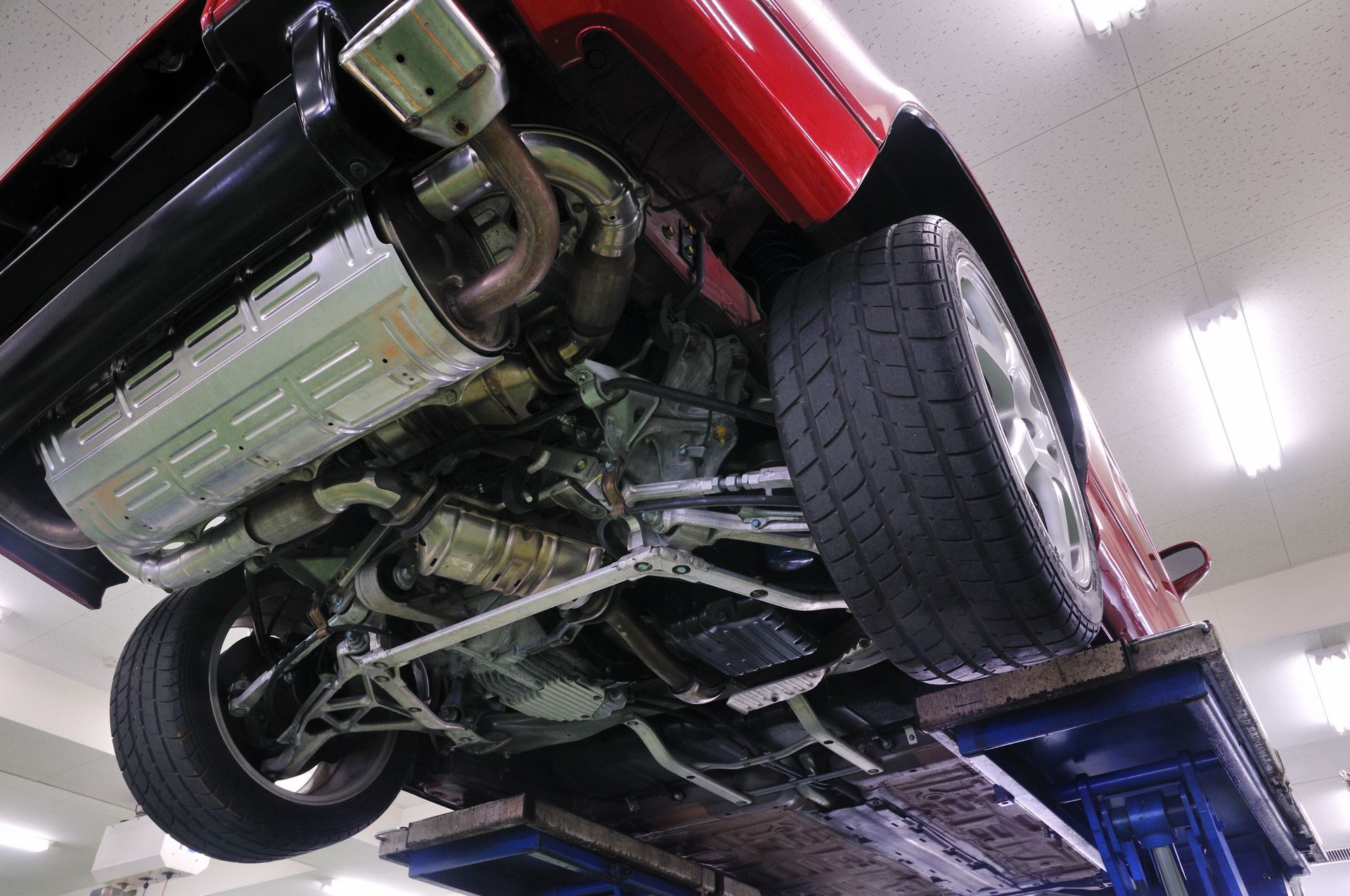
Several specific parts work in harmony to support a vehicle's weight and dampen road vibrations. Springs, shock absorbers, and struts are the most recognizable elements, but control arms and bushings are equally important for maintaining structural integrity. Springs absorb the initial impact of a bump, while shock absorbers control the rebound to prevent the car from bouncing uncontrollably. Struts often serve a dual-purpose, acting as both a structural support and a dampening tool. When any single part begins to fail, the entire system is compromised, leading to a noticeable decline in ride quality. Professional auto suspension repair involves a detailed look at these individual parts to ensure the entire assembly is working as a cohesive unit.
Identifying Common Signs of System Failure
Drivers should stay alert for specific warning signs that suggest the need for professional intervention. Uneven tire wear is one of the most frequent indicators that something is amiss, often pointing toward a misalignment or failing struts. If you notice that your car continues to bounce several times after hitting a dip in the road, your shock absorbers are likely worn out. Another red flag is a "nose dive" where the front of the vehicle leans forward heavily during braking. These symptoms not only make the car uncomfortable to drive but can also increase your stopping distance. Seeking auto suspension repair at the first sign of these issues can prevent further damage to your tires and steering components.
Handling Challenges During Turns and Maneuvers
A vehicle with a failing suspension often feels loose or unresponsive during cornering. You might experience a sensation of drifting or pulling to one side when attempting to navigate a curve. This occurs because the suspension is no longer able to counteract the centrifugal force acting on the vehicle's body. In severe cases, you may hear clunking or squeaking noises when turning the steering wheel, which often points to worn-out bushings or ball joints. Because these parts are critical for steering precision, ignoring these sounds can lead to a dangerous loss of control. Timely auto suspension repair restores the original handling characteristics of the vehicle, allowing for sharp, confident maneuvers in urban and highway environments.
Maximizing Tire Life and Fuel Economy
There is a direct correlation between the health of your suspension and the longevity of your tires. When the suspension is properly aligned and the shocks are functioning well, the tires sit flat against the road, distributing weight evenly across the tread. This prevents premature balding and extends the intervals between tire replacements. Furthermore, a stable suspension reduces rolling resistance. When a car is bouncing or misaligned, the engine must work harder to maintain speed, which negatively impacts fuel efficiency. By investing in auto suspension repair, you are effectively lowering your long-term operating costs by saving on both rubber and gasoline. Efficiency and durability are natural byproducts of a well-maintained chassis.
The Professional Inspection and Diagnostic Process
When you take your vehicle in for service, a technician begins with a comprehensive physical and functional assessment. This involves checking for fluid leaks on shock absorbers and inspecting rubber bushings for cracks or dry rot. Specific equipment may be used to measure alignment angles and ensure that all four wheels are pointing in the exact direction intended by the manufacturer. This diagnostic phase is crucial because suspension issues often mimic steering or brake problems. An accurate diagnosis ensures that the correct parts are replaced, saving time and money. Professional auto suspension repair provides a level of precision that is impossible to achieve through visual inspection alone, ensuring every adjustment meets factory specifications.
Replacing Critical Parts for Restored Performance
Once the failing components are identified, the restoration process involves removing the old parts and installing high-quality replacements. This work often requires specific hydraulic presses and spring compressors that are standard in professional shops. Because many suspension parts are replaced in pairs, such as both front struts or both rear shocks, the vehicle maintains a balanced feel. After the new hardware is installed, a final alignment is usually performed to ensure the steering wheel is centered and the tires are positioned perfectly. This meticulous approach to auto suspension repair ensures that the vehicle feels as tight and responsive as it did when it first left the showroom floor.
Future Trends in Advanced Suspension Technology
The world of automotive engineering is constantly evolving, with new technologies designed to make rides even smoother. Many modern vehicles now feature adaptive or "active" suspension systems that use sensors to read the road surface hundreds of times per second. These systems can instantly stiffen or soften the dampening to match the current driving conditions. While these systems are more complex, they offer an unparalleled balance between sporty handling and luxury comfort. As these technologies become more common, the need for quality auto suspension repair continues to grow. Staying informed about these advancements helps vehicle owners understand the sophisticated nature of their car's underpinnings and the importance of professional care.
Prioritizing the health of your vehicle's chassis is one of the best ways to ensure a long-lasting and enjoyable relationship with your car. From the immediate improvement in ride quality to the long-term benefits of safety and tire savings, the advantages of a healthy suspension are clear. Whether you are dealing with a minor squeak or a major handling issue, addressing the problem quickly is the key to maintaining road confidence. Regular check-ups allow you to catch wear before it affects your safety, keeping your vehicle stable and responsive for years to come. By blending technical precision with a commitment to driver safety, these experts ensure every shock, strut, and bushing operates in perfect harmony. Investing in professional diagnostics today prevents costly mechanical failures tomorrow, providing the peace of mind that comes from knowing your vehicle is truly road-ready. For high-quality care and experienced service, you can rely on the team at Beyer Motor Works today.